The Expert Corner: A Celebration of Mexican Heritage & Agave
 The Expert Corner: A Celebration of Mexican Heritage & Agave
Actions
What is Cinco de Mayo?
Often mistaken for Mexico’s Independence Day, Cinco de Mayo actually commemorates the Mexican army’s victory over French forces at the Battle of Puebla on May 5, 1862. While it’s a relatively minor holiday in Mexico, it has grown into a widely celebrated occasion in Canada and the United States that highlights Mexican culture, cuisine, and, of course, its iconic spirits.
Understanding Agave Spirits
At the heart of both tequila and mezcal is the agave plant. Agave is a spiky, succulent native to Mexico that can take anywhere from 5 to 20+ years to mature. During their life, agaves develop complex and distinctive herbaceous aromas, smelling of bell peppers, vegetables, and pepper. The core of the plant, called the piña, is harvested, cooked, fermented, and distilled to create these distinctive spirits. Top-quality tequila and mezcal are double-distilled in pot stills and often reintroduce the piña fibres into the fermentation process to extract additional complexity.
Tequila vs. Mezcal: What’s the Difference?
Tequila
Tequila is made exclusively from blue agave and is produced in 5 Mexican states, with the most important being the state of Jalisco. Its production is generally dominated by big brands producing it at a large scale, which is more controlled and consistent, often resulting in a cleaner, brighter flavour profile. Blue agave takes between 7 and 10 years to reach peak harvesting maturity.
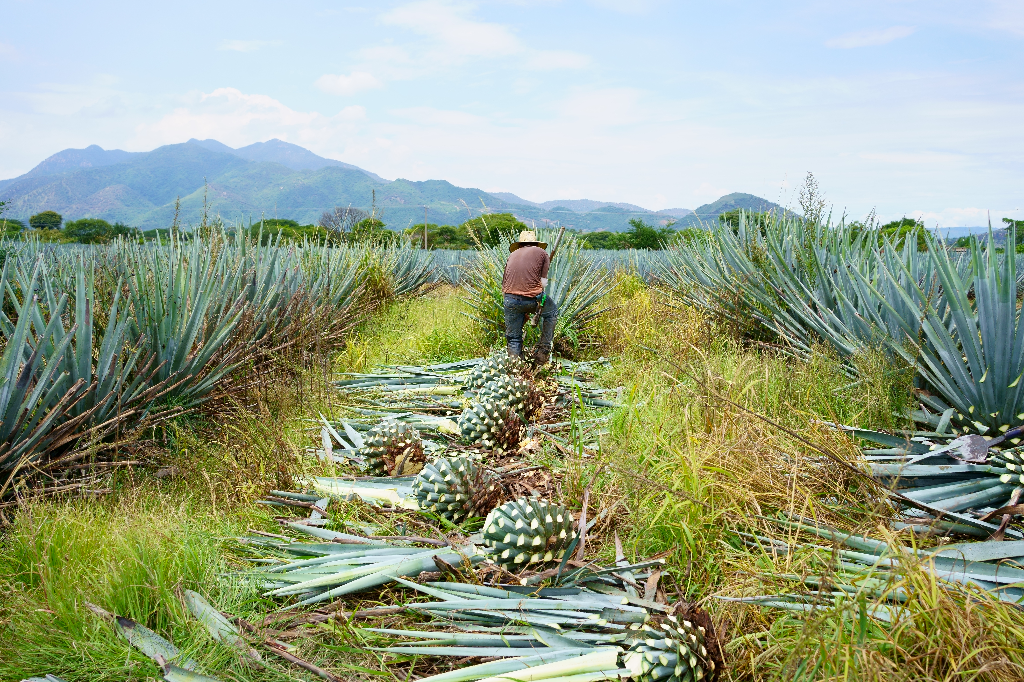
A worker in Tequila, Jalisco, cuts blue agave plants that will later be used to make tequila.
Mezcal
Mezcal is more diverse and produced in several Mexican states, with the most important being Oaxaca in southern Mexico. It can be made from any agave species, but the main variety used in Oaxaca is agave angustifolia (aka Espadín). Mezcal offers a wide range of flavours and traditional production methods, with the most distinguishing method being how they roast the piña prior to fermentation. Artisanal and ancestral mezcals exclusively roast the agave in underground stone pits, which often gives it a signature smoky character.
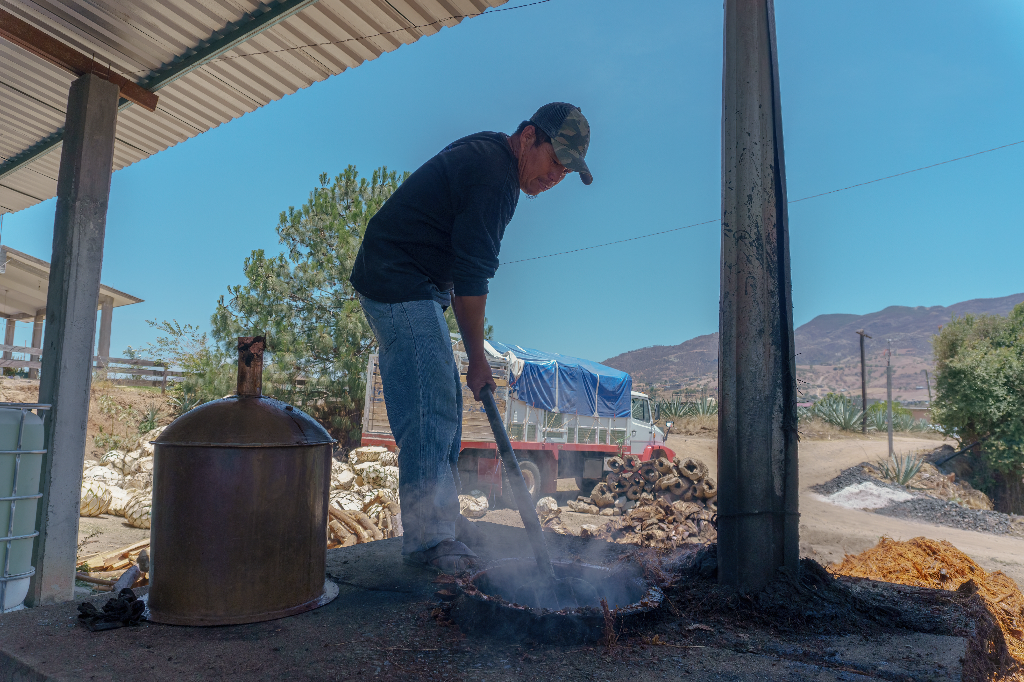
A master mezcal maker (mezcalero) distills in Oaxaca.
Aging & Flavour Profiles
Agave spirits develop different characteristics depending on how long they are aged:
Blanco (Silver): Unaged or lightly rested. Expect fresh, vibrant notes of citrus, pepper, herbs, and pure agave.
Reposado (Rested): Aged in oak barrels for 2–12 months. These take on subtle vanilla, caramel, and spice notes while still maintaining agave freshness.
Añejo (Aged): Aged 1+ years in oak. Richer and smoother, with deeper flavours like toffee, dried fruit, oak, and baking spices, which sometimes resembles whisky in its complexity. Labels saying Extra Añejo are aged 3+ years in oak.
Cristalano (Clear + Aged): Aged tequila that has been filtered through a charcoal filter to remove its colour, leaving it the appearance of a Blanco with the smooth complexity of an Añejo.
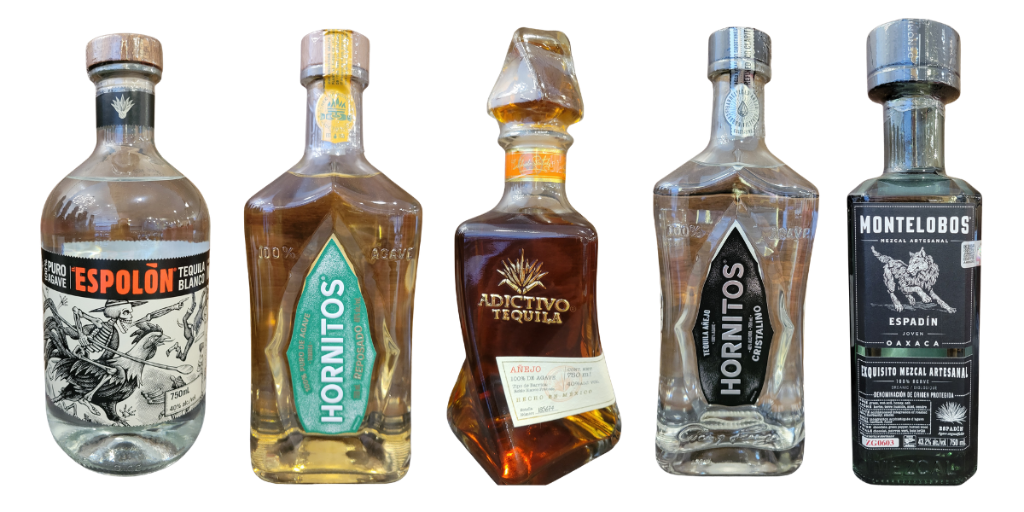
Examples of the different aging styles of tequila and mezcal.
Final Sip
Celebrate this year's Cinco de Mayo by enjoying some vibrant Mexican cuisine accompanied by a cold cervesa, a zesty margarita or sipping a smooth añejo. Cinco de Mayo is a great opportunity to explore the rich traditions behind Mexico’s celebrated heritage.
____________________________________________________________________________________________________

Written by our Expert, Shawn — Spirited learner and Mid Island Liquor Assistant Store Manager
