 Scotch or Irish: Which Whiskies are Which?
Actions
Whether you’re picking up a bottle for Dad this weekend or looking to explore the whisk(e)y world for yourself, there’s a lot to learn.
A great place to start is looking at two of the most well-known and popular varieties: Scotch whisky and Irish whiskey. Other than their spellings, there are many differences between the two.
The Difference Between Irish and Scotch Whiskies
Irish whiskey and Scotch whisky differ primarily in their distillation methods and their flavours. Irish whiskey is generally triple-distilled, which results in lighter flavours and a smoother finish, while Scotch is usually double-distilled, resulting in a heavier flavour. Scotch is famous for its distinct regional characteristics, ranging from sweet to intense peat smoke. Some varieties can even have a salty flavour if the peat is harvested near the ocean.
On the other hand, Irish Whiskey tends to take on flavours of vanilla, fruit, and caramel that come from cask ageing. Scotch may also have these flavours, but it's more likely to carry the regional qualities mentioned earlier. Legally, both spirits must be aged in casks for at least three years.
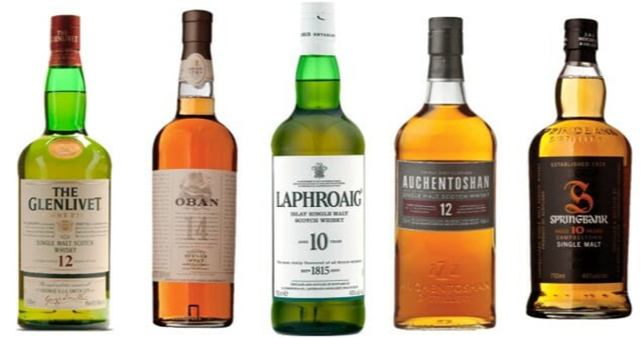
A selection of popular single malt Scotch Whiskies. From left to right, The Glenlivet 12 Yr, Oban 14 Yr, Laphroaig 10 Yr, Auchentoshan 12 Yr, and Springbank 10 Yr
What Makes Scotch Smoky?
One of the most robust flavours and smells that Scotch can take on is smoke. This comes from the peat, which is used as fuel for the kilns that dry the malt. The smoke from the peat infuses the mixture inside with earthy, intense flavours that some Scotch drinkers look for.
Peat is rarely used in the production of Irish whiskey, contributing to its lighter flavour profile.
From Barley to Whisk(e)y
Raw barley is mostly made up of starch, and if we want to make whisky, we need something to feed the yeast (i.e. sugars). The malting process starts by soaking barley in water, where it germinates, and then is dried using peat smoke. This germination activates amylase enzymes, which break down the barley into sugars that the yeast consumes and then produces alcohol as a by-product.
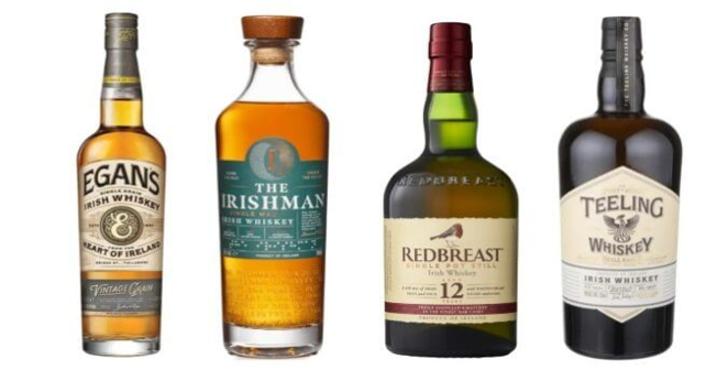
A selection of popular Irish Whiskies. From left to right, Egan’s Vintage Grain, The Irishman Single Malt, Redbreast 12 Yr, and Teeling Small Batch Whisky.
Styles: Single Malt, Single Grain, or Blended
Irish whiskey and scotch can both be made in a variety of styles, including the popular single malt, single grain, or blended.
Single malt Scotch or Irish whiskey is made entirely from malted barley, while single grain varieties are made with malted barley and other grains. Single malts focus on showcasing rich flavours and complexity, and are the product of a single distillery. Single grain options still showcase flavour, while being lighter and smoother than single malt options.
Alternatively, blended whiskies, Scotch or Irish, can often contain various whiskies from many different distilleries. Quite often, the various distilleries that are used to blend the scotch whisky are owned by the same parent company. These are often the most affordable options and are great for mixing into cocktails.
Which One is Best?
Each whisk(e)y variety has characteristics that set it apart, and it’s up to you to find a bottle that satisfies what you’re looking for. Big, robust taste that’s great on its own - try a single malt Scotch like The Glenlivet 12 Year. Wanting to try something smoother with notes of honey - try Glendalough Double Barrel Irish Whiskey. Go in with an open mind, remember some key notes, and don’t be afraid to ask an expert Mid Island Liquor employee for some recommendations when shopping!
____________________________________________________________________________________________________
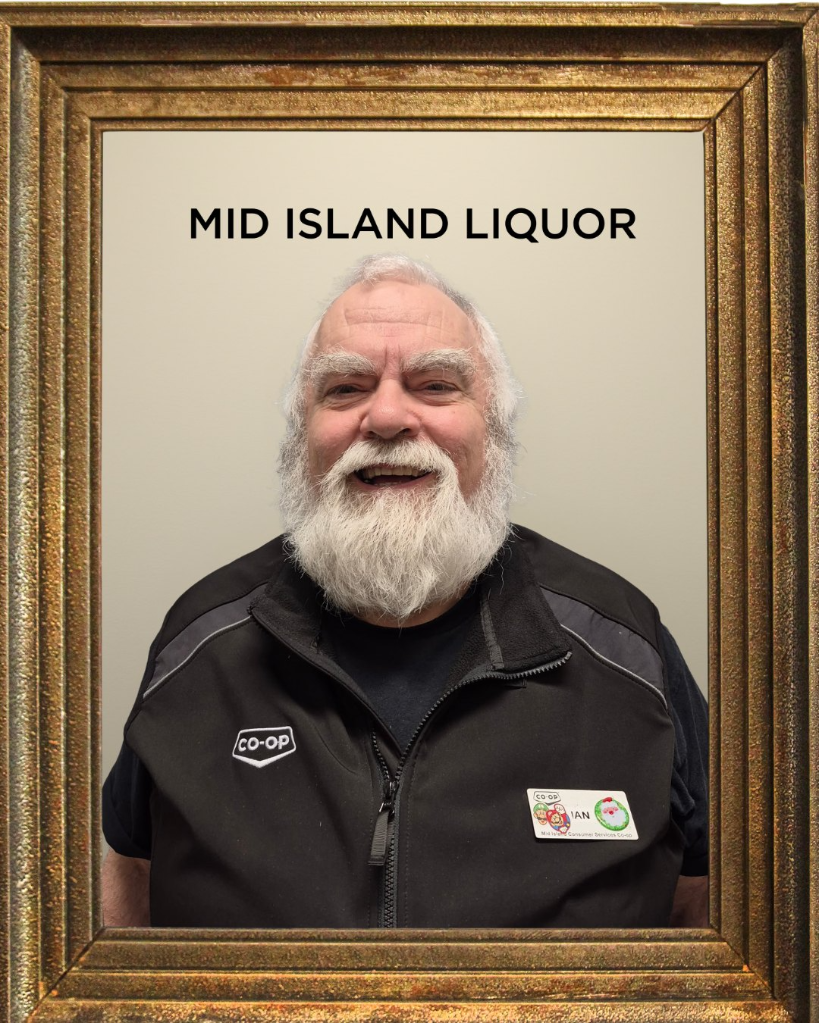
Written by our Expert, Ian — Whiskey Wizard and Mid Island Liquor Customer Service Representative
